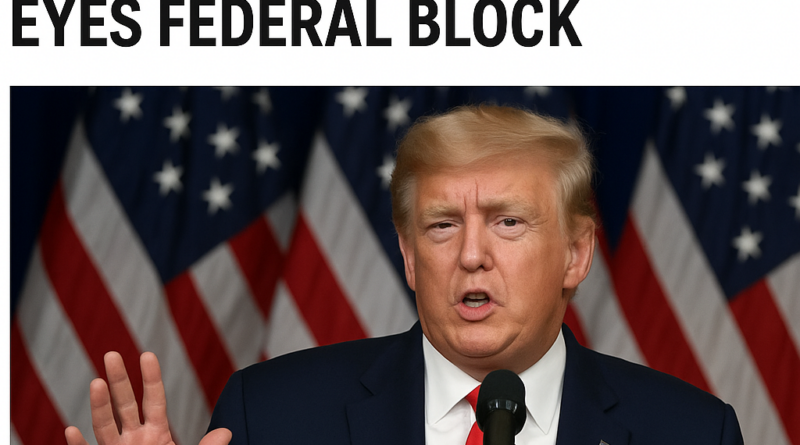
Trump says NYC pied-à-terre tax ‘must be stopped,’ eyes federal block
Former President Donald Trump has expressed strong opposition to New York City’s proposed pied-à-terre tax, labeling it a “dangerous political experiment” that could have detrimental effects on both the city and the state. In a post shared on his Truth Social platform, Trump outlined his concerns regarding the implementation of this tax, which is aimed at taxing non-primary residences, often owned by wealthy individuals.
The pied-à-terre tax has been a topic of debate among New York lawmakers, with proponents arguing that it could help address the city’s ongoing housing affordability crisis. However, opponents, including Trump, believe that it could drive affluent residents out of the city, ultimately harming the local economy and real estate market.
Trump’s remarks come amidst growing discussions among city officials about the tax’s potential impact on high-net-worth individuals who maintain secondary residences in New York City. The proposed tax would specifically target properties valued above a certain threshold, potentially generating significant revenue for the city. However, critics argue that such a measure could backfire, leading to decreased investment in the city’s real estate sector.
In his post, Trump emphasized the need for federal intervention to block the implementation of the tax. He stated that this measure would not only undermine the city’s appeal as a global financial hub but could also set a precedent for similar taxation efforts in other cities across the United States. Trump’s comments resonate with many stakeholders in the real estate industry, who fear that the tax could deter investment and discourage high-income earners from residing in New York.
The debate over the pied-à-terre tax has garnered attention from various sectors, including real estate developers, investors, and political figures. Many stakeholders are closely monitoring the situation as it unfolds, with some calling for a more comprehensive approach to address the housing crisis rather than imposing additional taxes on certain property owners.
As discussions continue, the city’s administration faces pressure to balance the need for increased revenue with the potential implications for its economic landscape. The outcome of this proposed tax could significantly influence New York’s attractiveness to both domestic and international investors.
As of now, it remains to be seen how city officials will respond to the concerns raised by Trump and other critics. The future of the pied-à-terre tax will likely be a focal point in the upcoming legislative sessions as lawmakers weigh the benefits and drawbacks of such a measure.